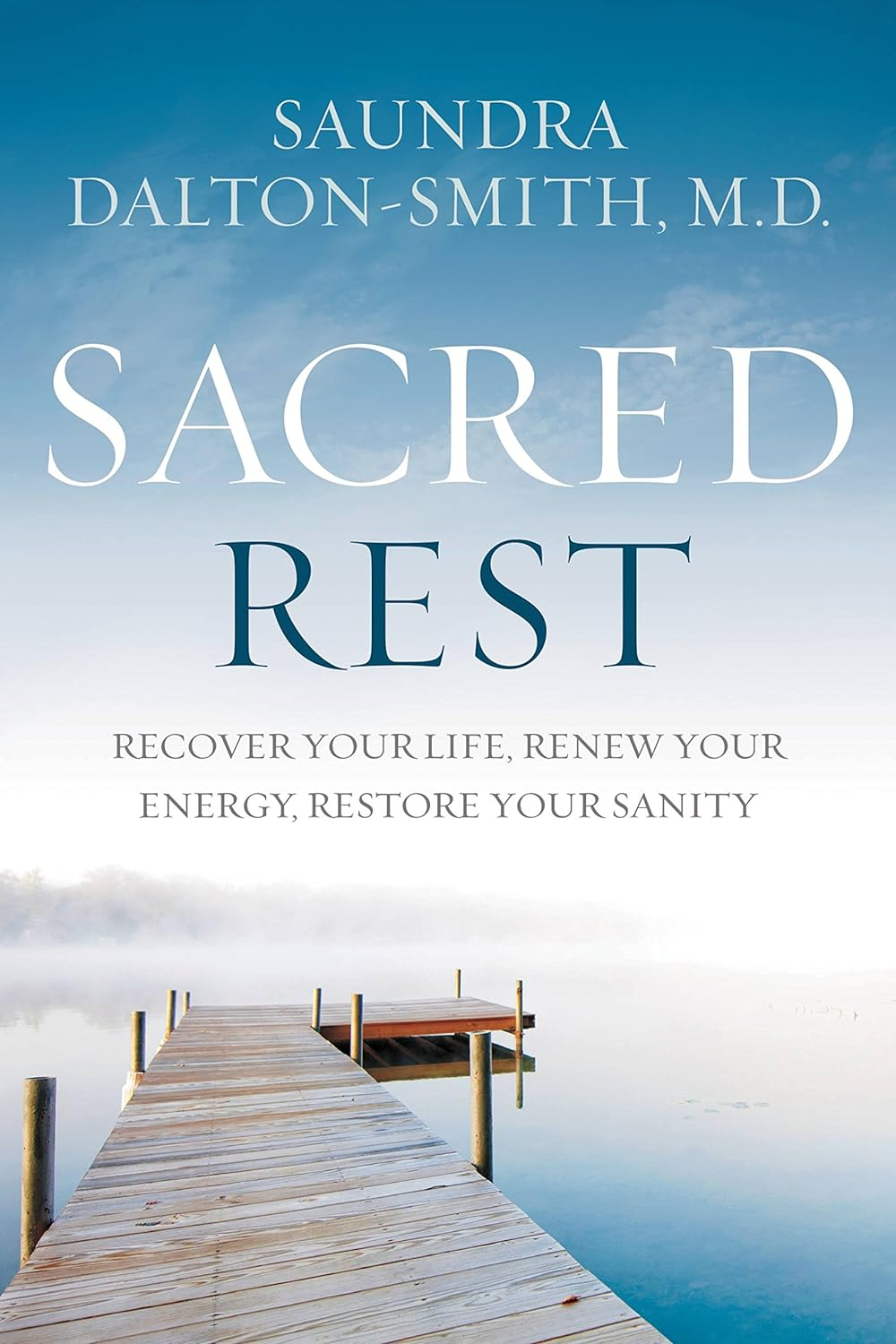
Dr. Saundra Dalton-Smith has developed one of the most practical and insightful frameworks for understanding why people remain exhausted even when they are technically “getting enough sleep.” In her book Sacred Rest, she identifies seven distinct types of rest, each corresponding to a specific area of human depletion.
Understanding the 7 Types of Rest®
As a certified facilitator, I guide individuals through the 7 Types of Rest®:
- Physical: Both passive and active. Give your body what it needs to relax.
- Mental: Brain-breaks to help your mind relax, calm the noise
- Emotional:
- Spiritual
- Creative
- Sensory
- Social
Take the Rest Quiz to identify your rest needs and enhance your overall wellness.
The 7 Types of Rest® Framework
1. Physical Rest
Definition:
Rest that restores the body from exertion, illness, tension, and sleep deprivation.
Two Forms
- Passive Physical Rest: Sleep, naps, stillness
- Active Physical Rest: Stretching, massage, yoga, walking, chiropractic care
Signs of a Deficit
- Persistent fatigue despite adequate sleep
- Muscle tension or soreness
- Frequent headaches
- Insomnia or restless sleep
- Reliance on caffeine to function
Restoration Example
A person who sleeps 8 hours but wakes exhausted may benefit from improving sleep quality, adding stretching, and reducing physical overexertion.
Key Insight
Sleep alone does not guarantee physical restoration.
2. Mental Rest
Definition:
Rest that quiets an overactive mind and reduces cognitive overload.
Signs of a Deficit
- Racing thoughts
- Difficulty concentrating
- Forgetfulness
- Waking at night thinking about tasks
- “Brain fog”
Restoration Example
Taking short breaks throughout the day, practicing brain dumps, journaling, or setting boundaries around constant information intake.
Key Insight
When the mind never stops processing, sleep may not feel refreshing.
3. Sensory Rest
Definition:
Rest that reduces overstimulation from screens, noise, lights, and constant notifications.
Signs of a Deficit
- Irritability
- Sensitivity to sound or light
- Eye strain
- Feeling overwhelmed in busy environments
- Desire to “hide” from stimulation
Restoration Example
Turning off devices, dimming lights, spending time in silence, or taking breaks from social media.
Key Insight
Modern life bombards our senses, often without us realizing how draining it is.
4. Creative Rest
Definition:
Rest that restores inspiration, imagination, and the ability to appreciate beauty and innovation.
Signs of a Deficit
- Feeling uninspired
- Lack of fresh ideas
- Problem-solving fatigue
- Creative blocks
- Emotional flatness
Restoration Example
Spending time in nature, visiting art museums, listening to music, or simply observing beauty.
Key Insight
Creative people are not the only ones who need creative rest; anyone who solves problems or generates ideas does.
5. Emotional Rest
Definition:
Rest that comes from the freedom to be authentic rather than constantly managing others’ expectations.
Signs of a Deficit
- People-pleasing
- Difficulty saying no
- Emotional exhaustion
- Feeling unseen or misunderstood
- Suppressing true feelings
Restoration Example
Honest conversations, counseling, journaling, and setting healthy boundaries.
Key Insight
Pretending to be “fine” is exhausting.
6. Social Rest
Definition:
Rest that comes from engaging in relationships that are life-giving and reducing time with draining individuals.
Signs of a Deficit
- Feeling lonely in a crowd
- Exhaustion after social interactions
- Difficulty identifying supportive relationships
- Increased withdrawal
Restoration Example
Spending time with trusted friends, mentors, or supportive communities while limiting toxic relationships.
Key Insight
Not all relationships restore us; some deplete us.
7. Spiritual Rest
Definition:
Rest that restores a sense of purpose, connection, belonging, and faith.
Signs of a Deficit
- Feeling disconnected from meaning
- Lack of hope
- Chronic striving
- Sense of emptiness
- Cynicism
Restoration Example
Prayer, meditation, worship, time in nature, serving others, and reflecting on one’s purpose.
Key Insight
Spiritual rest addresses the deep human need to know we are loved, valued, and part of something greater than ourselves.